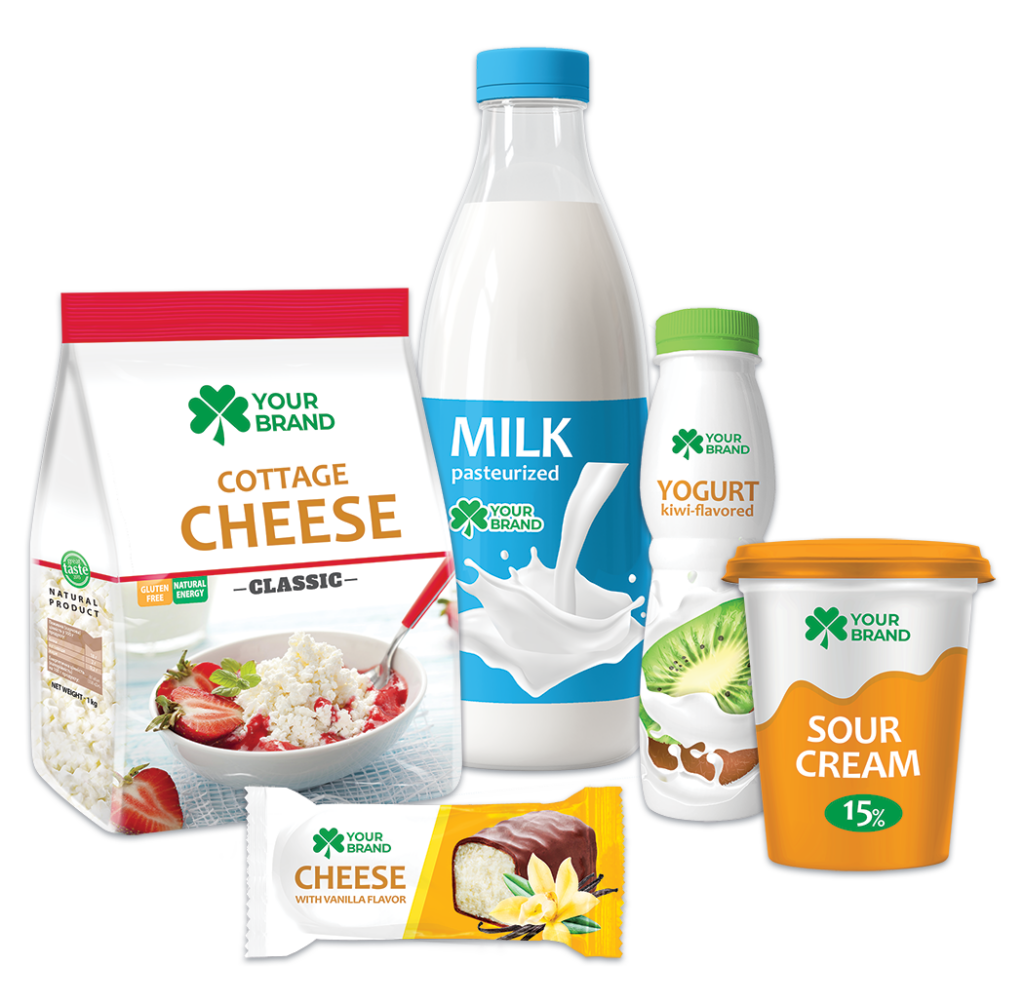
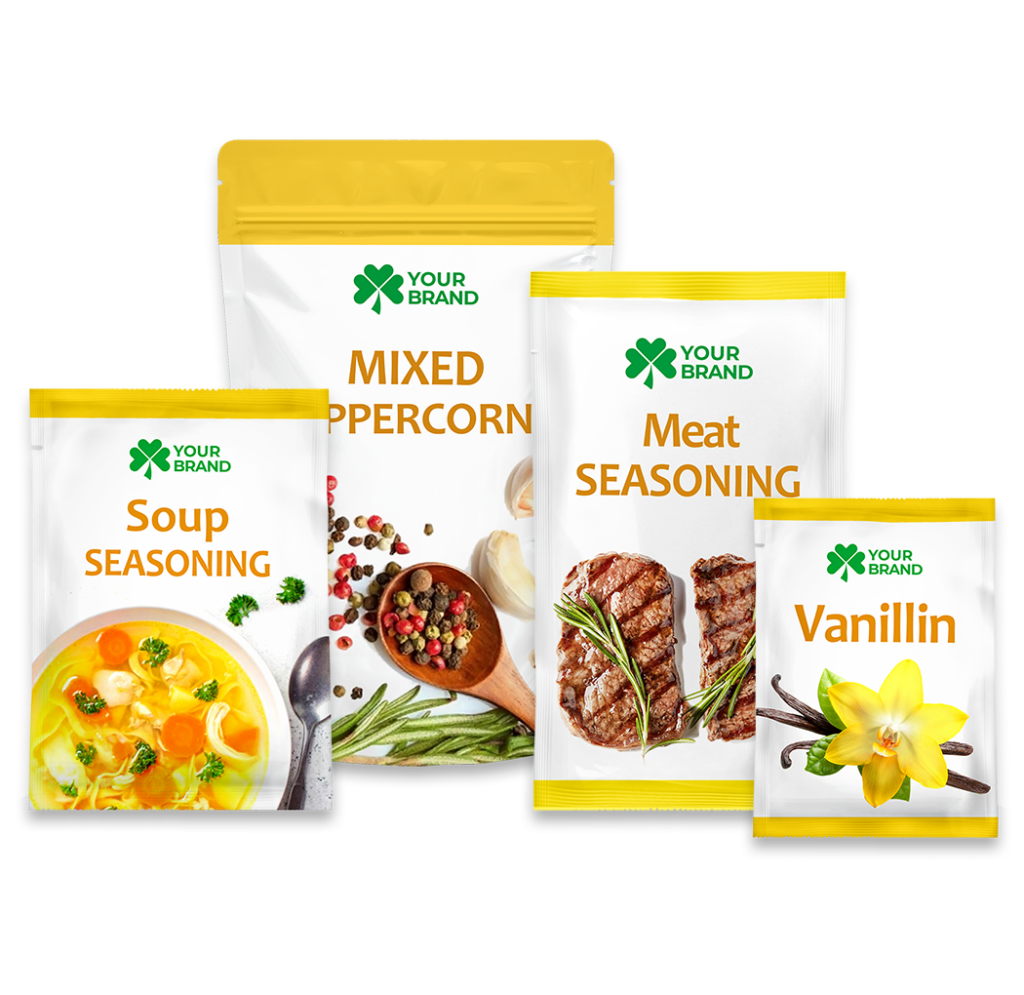
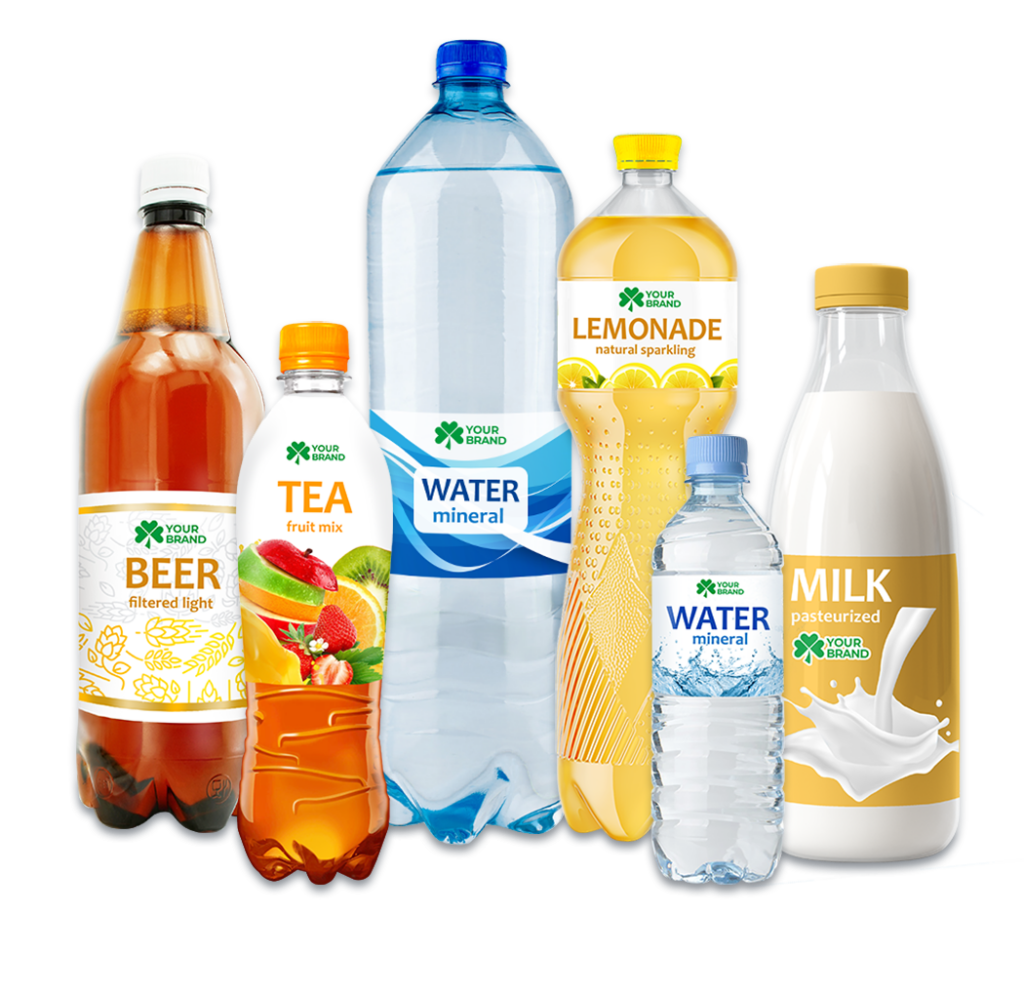
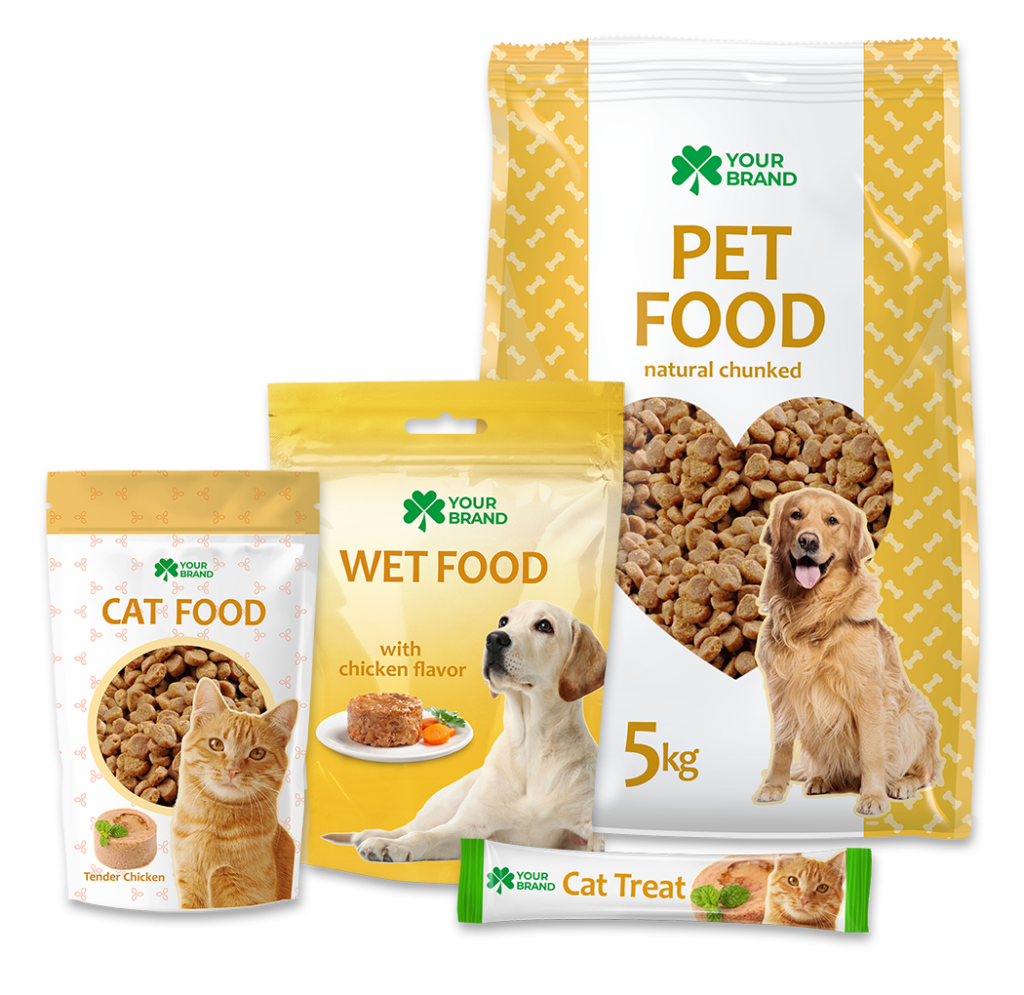
Packaging for dumplings, vareniki, vegetables, fruits, and shrimp from ITAK
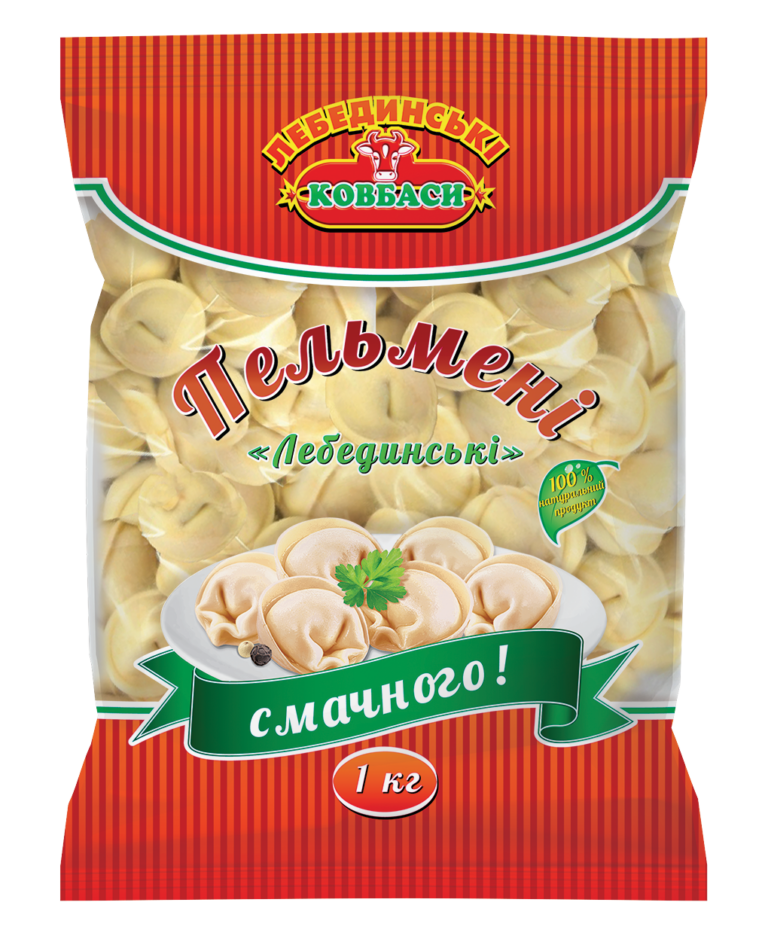
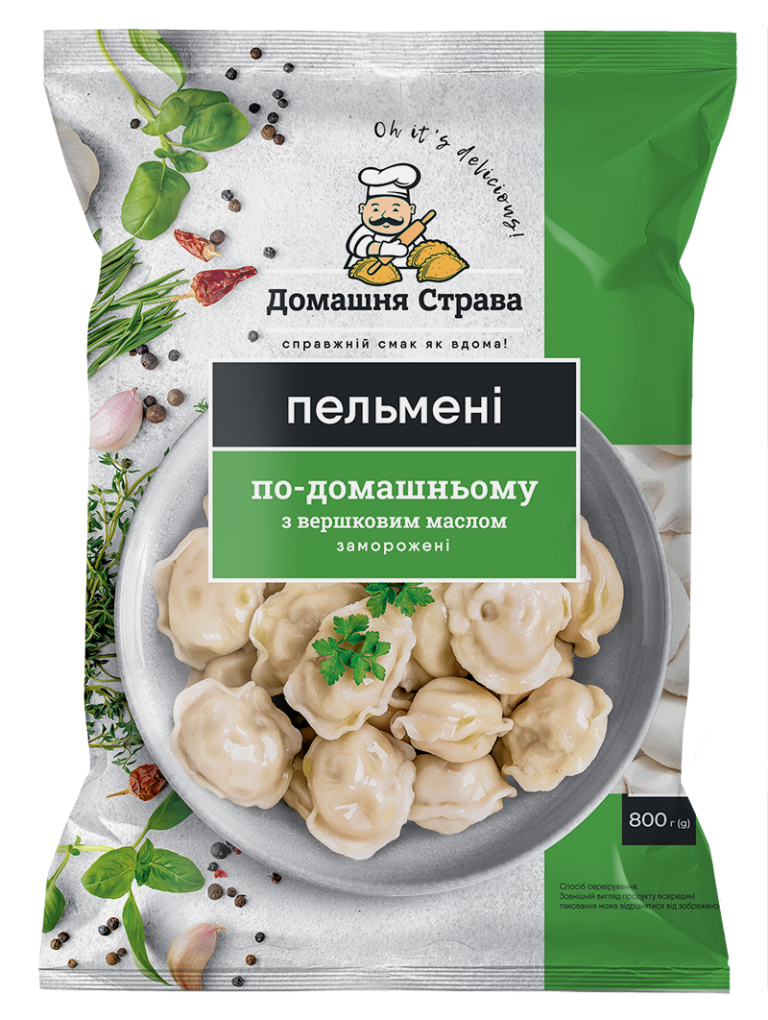
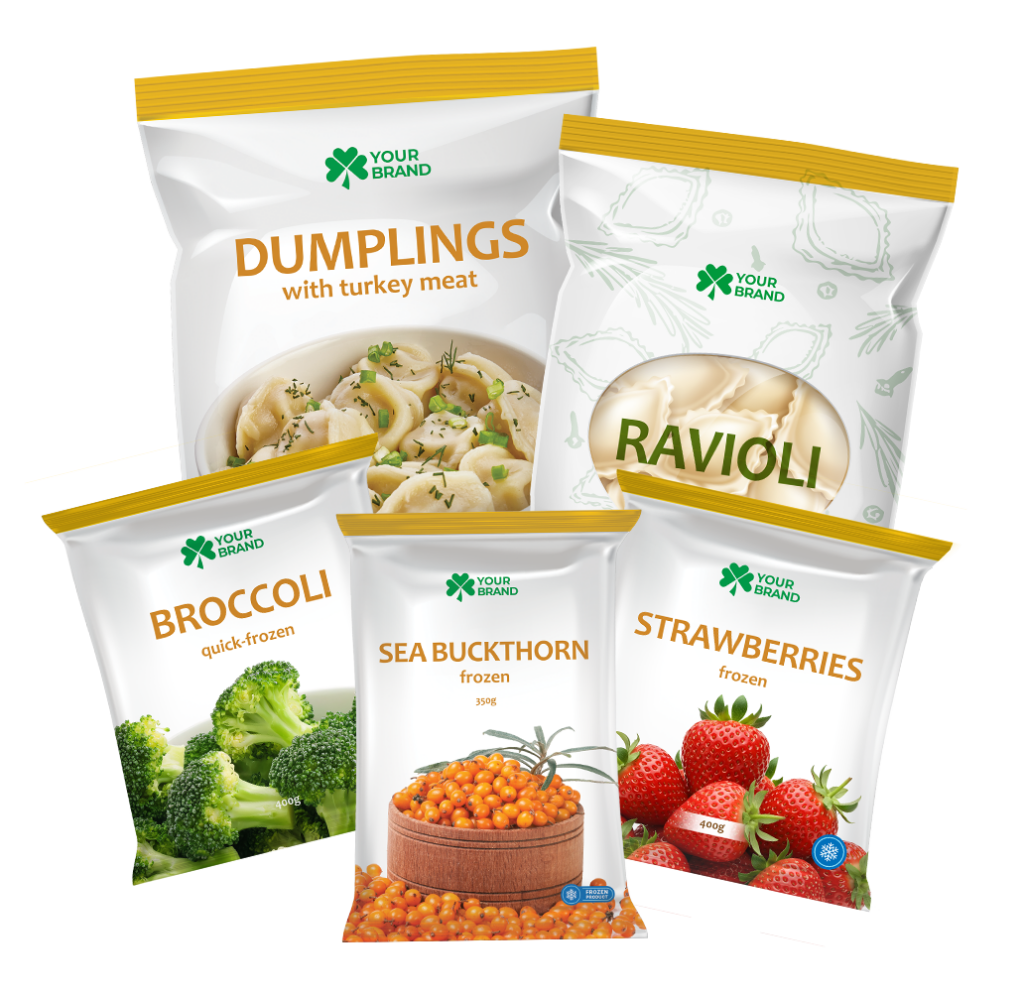
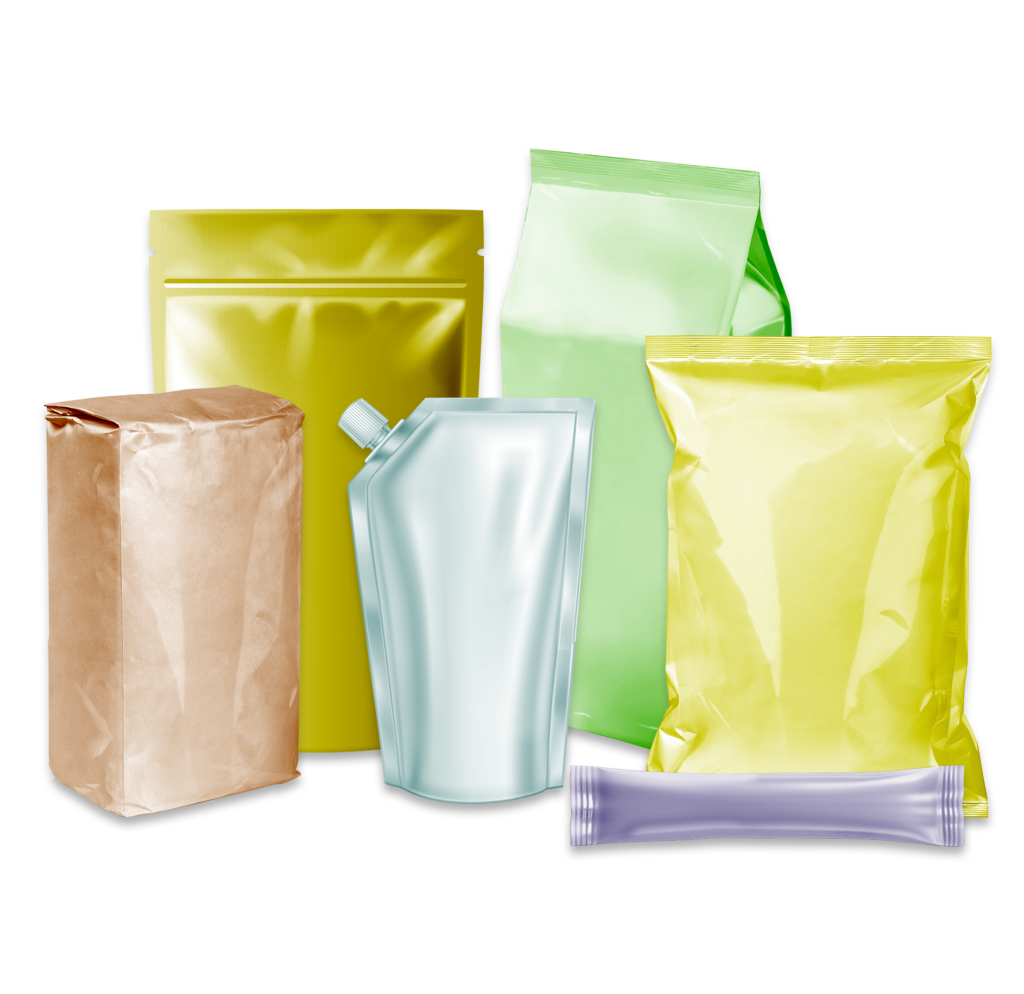
Flexible packaging for dumplings and vareniki (filled dumplings) from ITAK retains its properties at deep-freeze temperatures down to -40°C. Our range includes frost-resistant flow-pack and doypack bags with a transparent window for assessing product quality. The strength of the welded seams ensures the integrity of the packaging during storage and transportation.
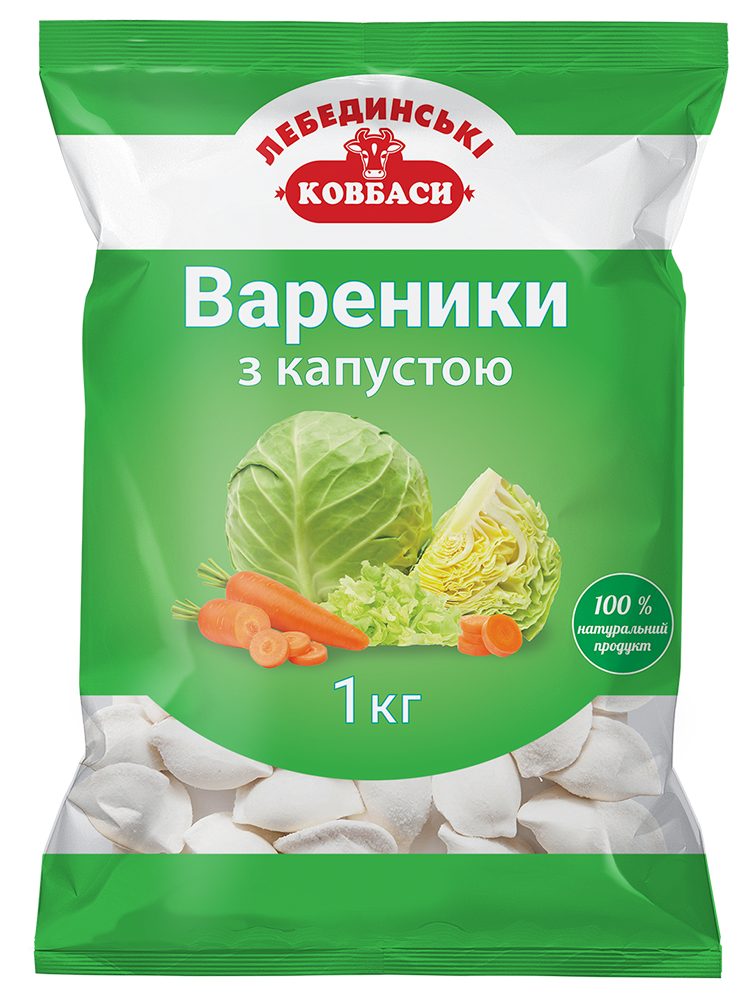
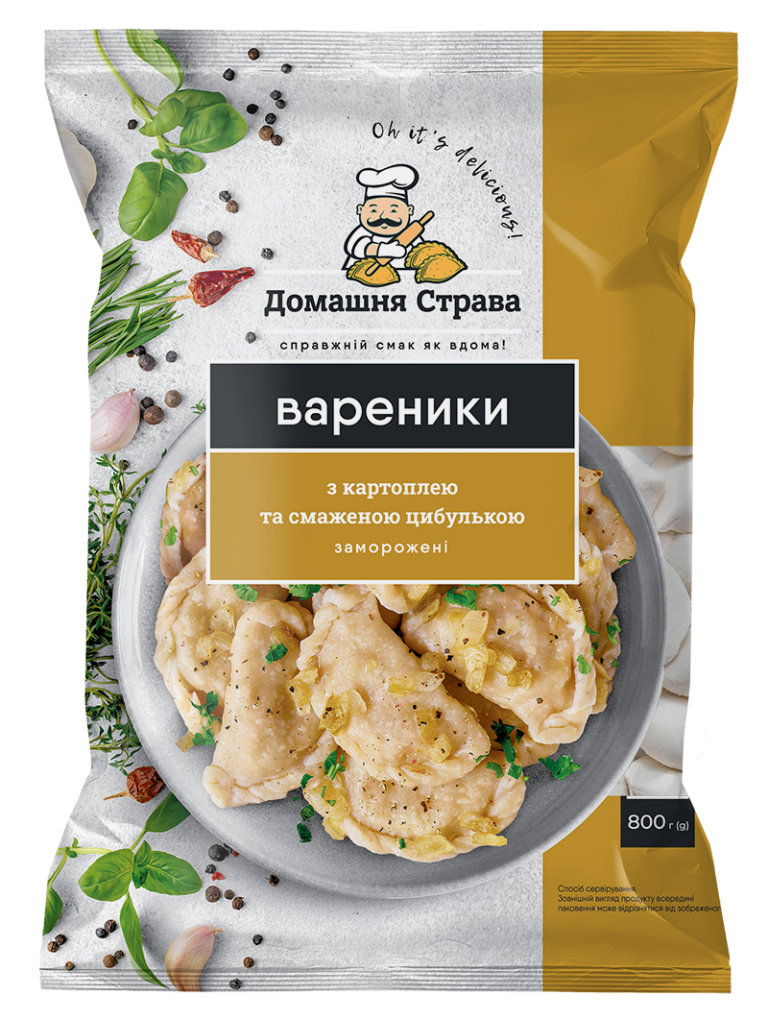
Packaging for vareniki has the same frost-resistant properties. We have developed solutions for vareniki with potatoes, cheese, cherries, and other fillings. Packaging options range from individual portions to family packs. High-quality, rich printing attracts consumer attention.
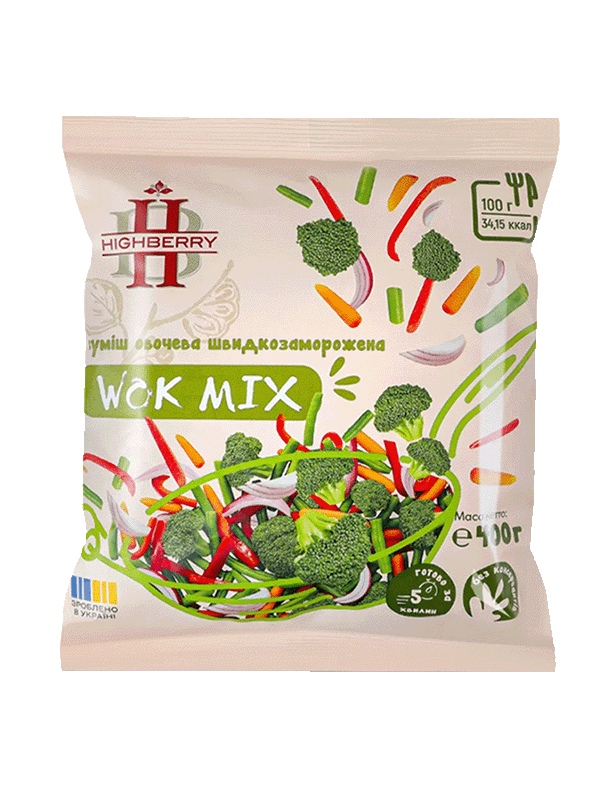
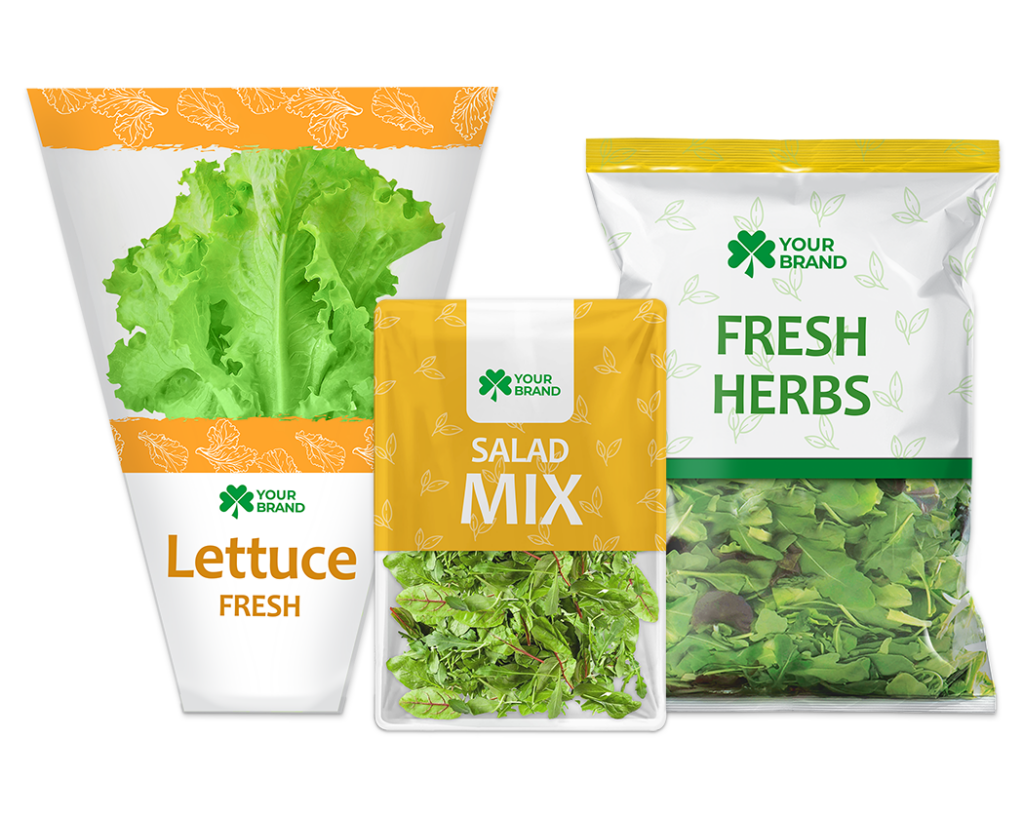
Packaging for frozen vegetables and packaging for frozen fruits is manufactured according to standards that preserve the vitamins and color of the product. Doypack bags with zip-locks are ideal for this type of product and are convenient for repeated use.
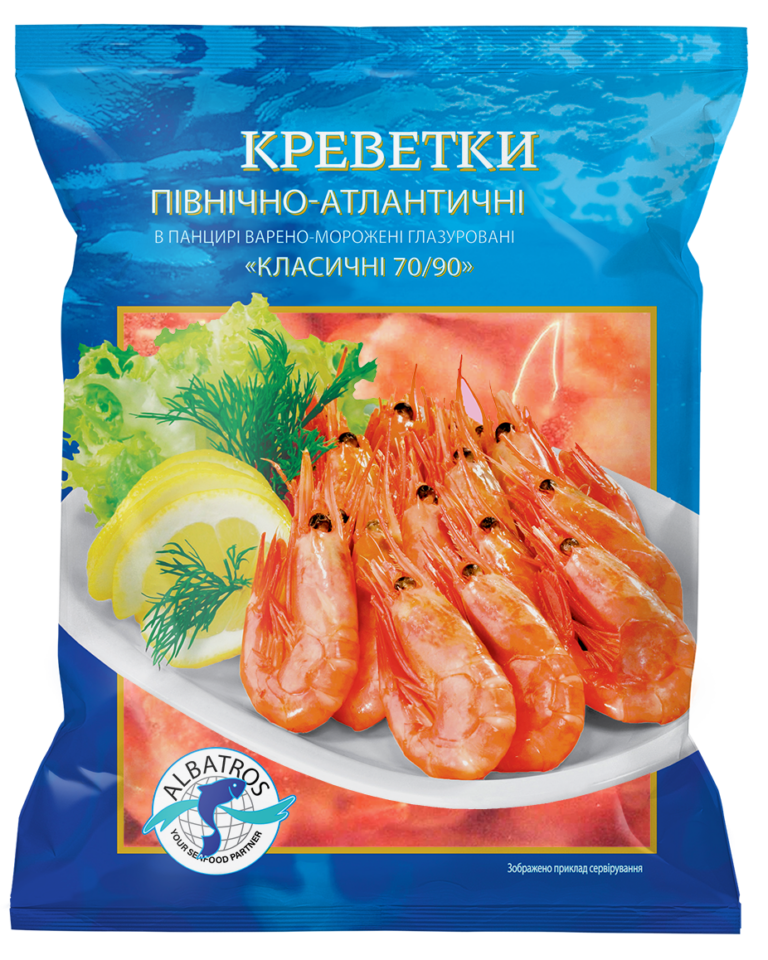
Packaging for shrimp and other seafood has high barrier properties that protect the product from odors and fat oxidation. Vacuum packaging and premium doypack solutions are made using puncture-resistant multilayer laminates.
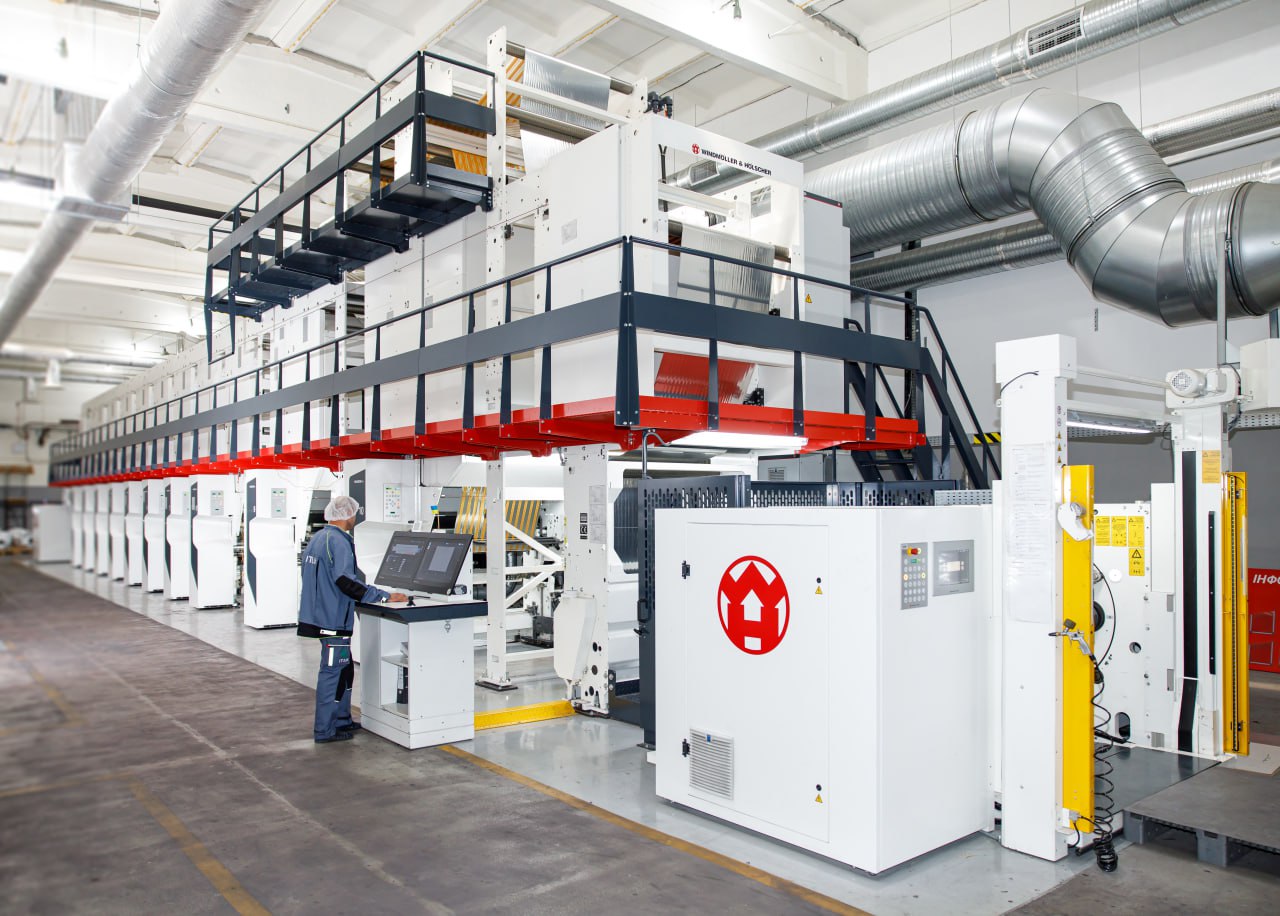
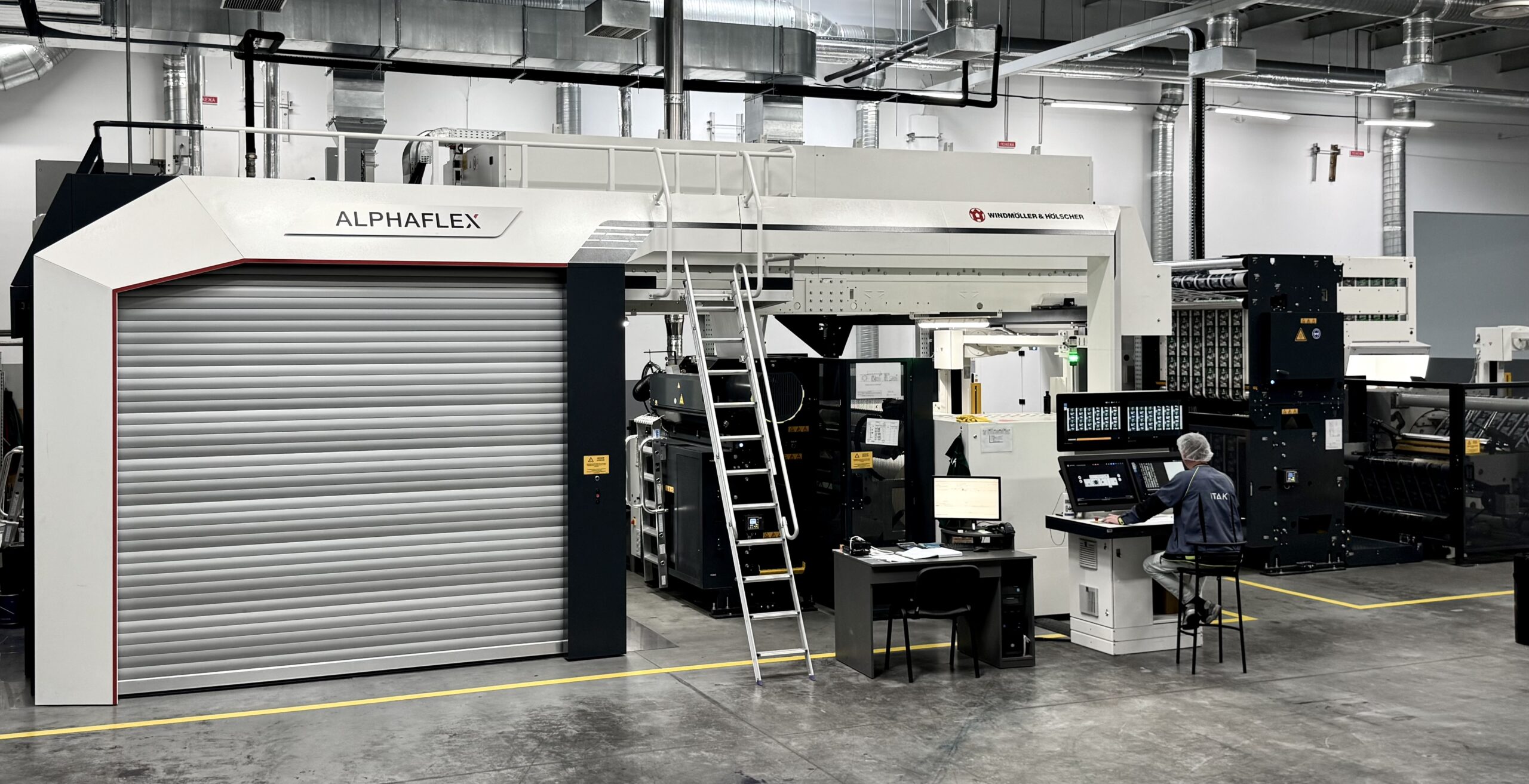
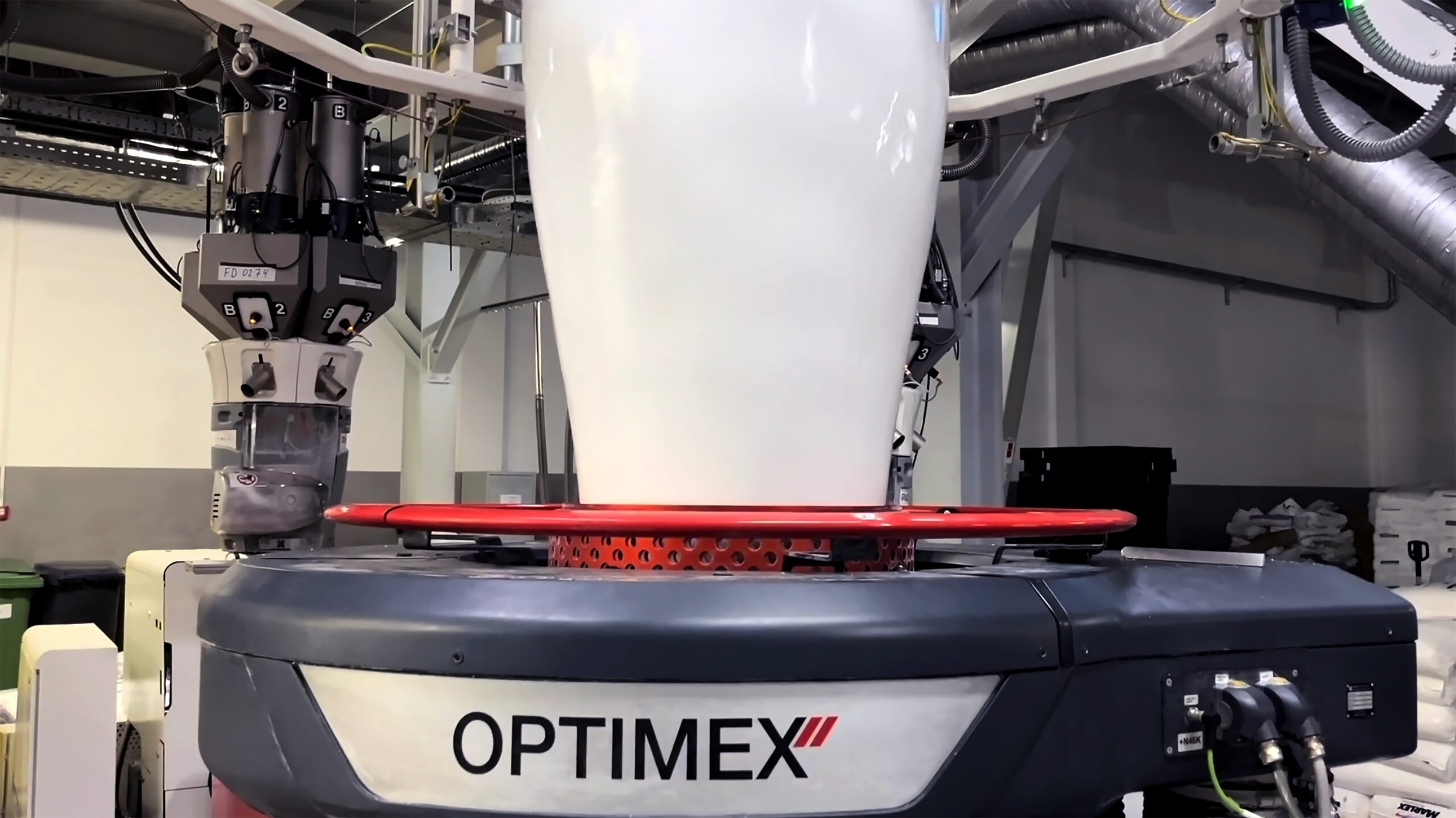
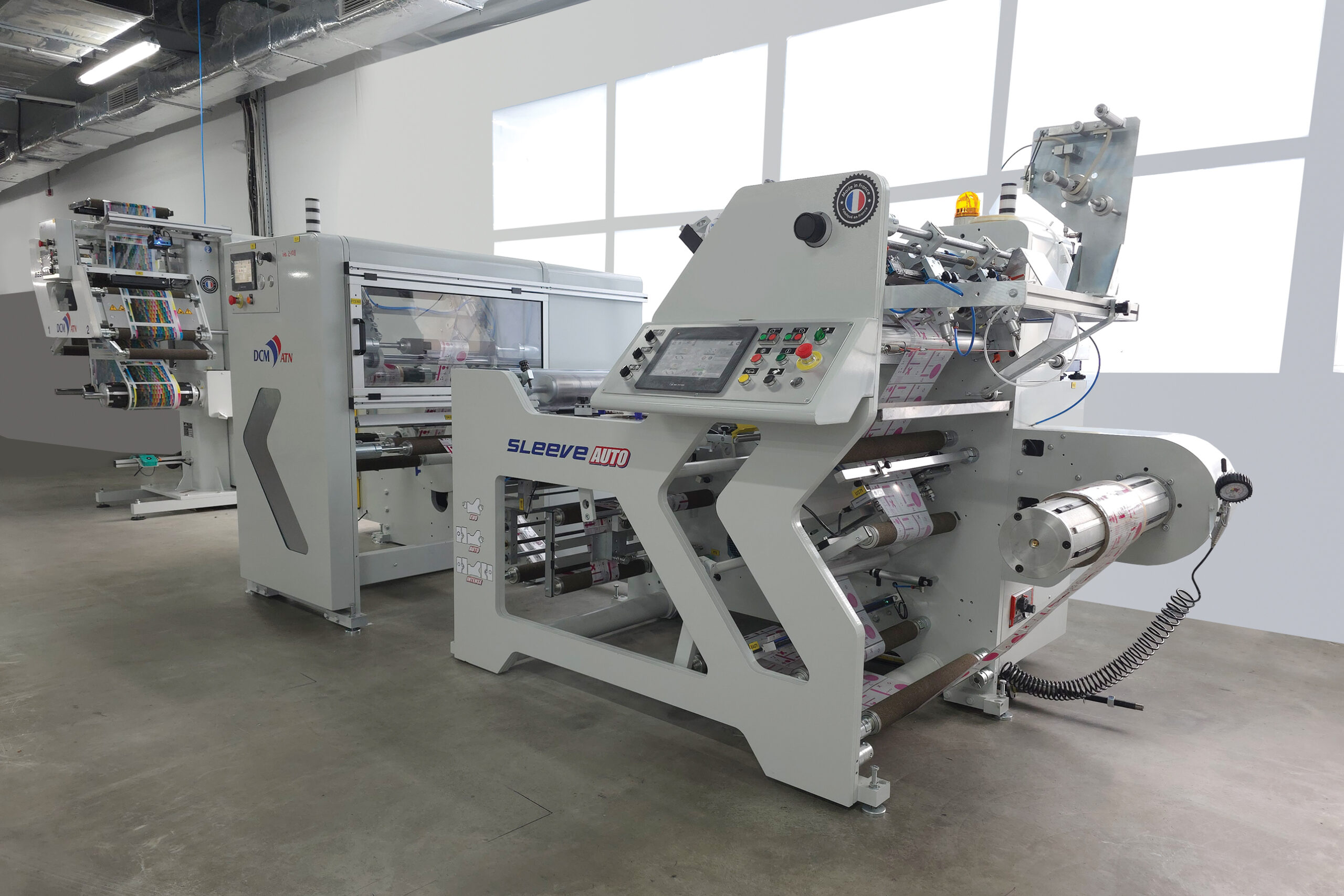
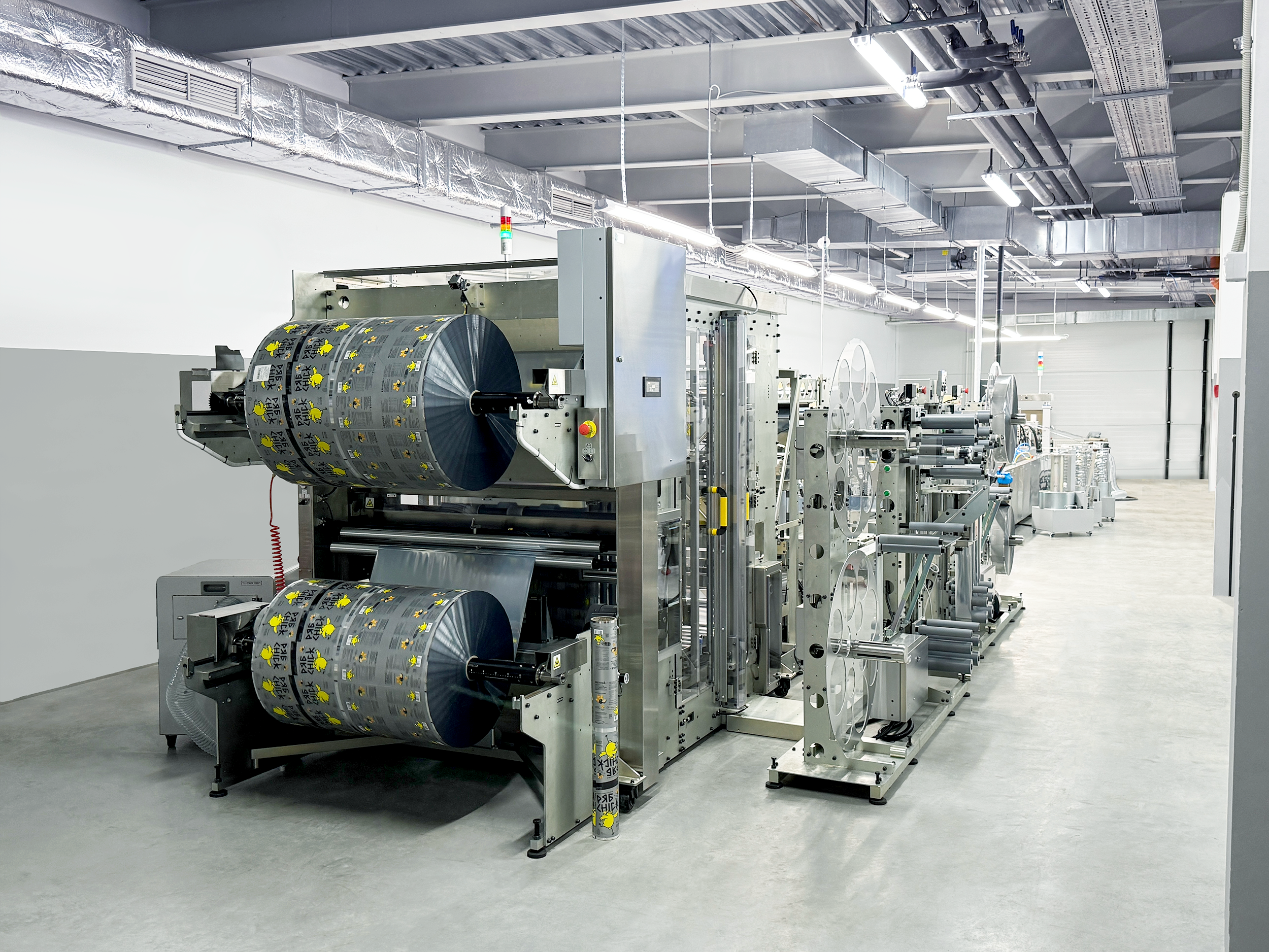
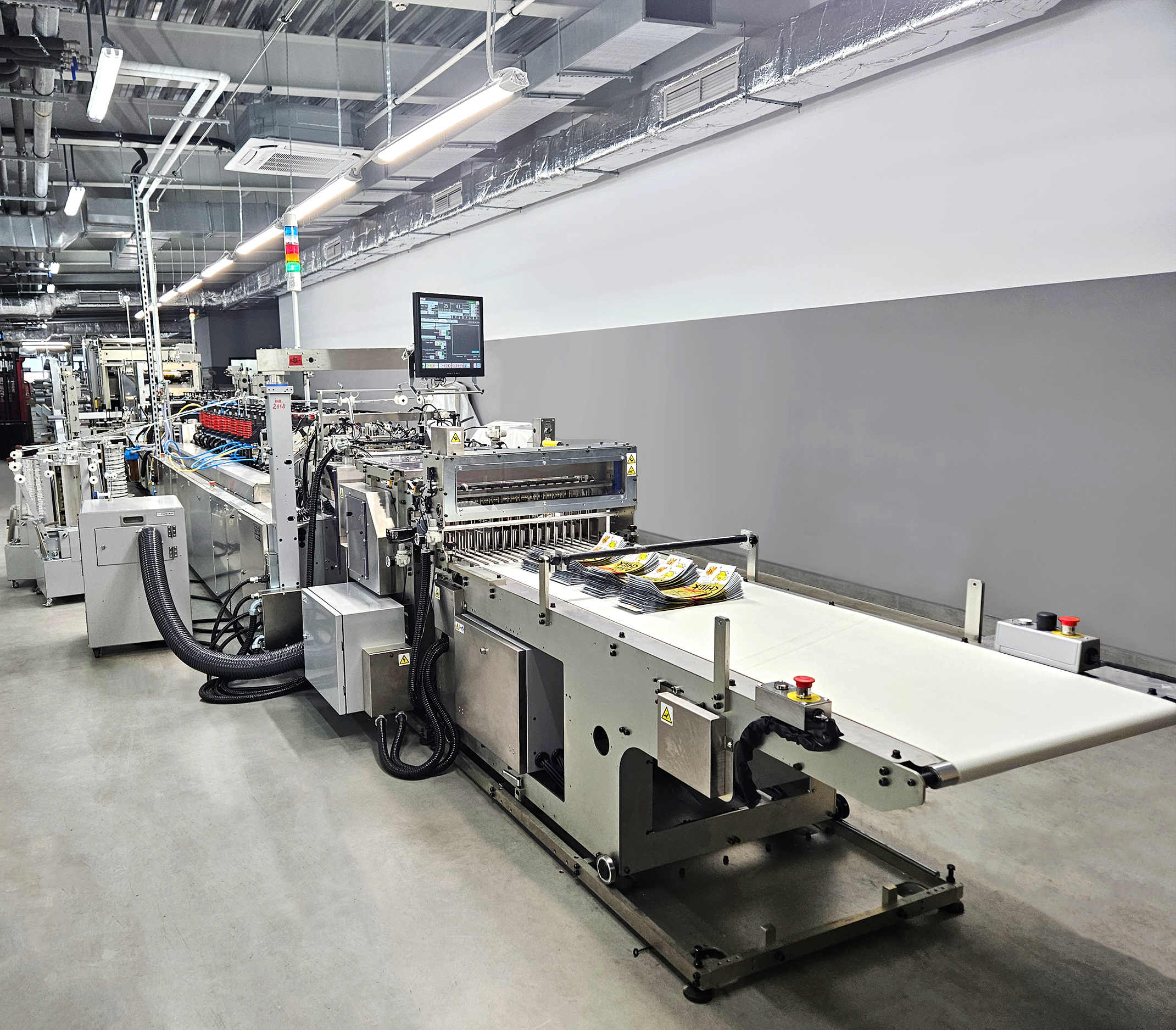
ITAK is a Ukrainian manufacturer of frost-resistant packaging for frozen products with over 34 years of experience. We offer a full production cycle based on our own new equipment from leading European manufacturers. We work with companies throughout Ukraine and Europe.